How to Read a Pentest Report: What to Fix First and What to Push Back On
A pentest report is a work order, not a grade. How to read severity, check the evidence and decide what to fix first.
TL;DR
- A pentest report is a work order, not a grade. The number of findings says little. The attack paths say a lot.
- Read the executive summary for the story, then go to the findings an attacker can chain together.
- Every finding should come with evidence: what was done, from where, with which account, and what it gave access to.
- A severity score describes the weakness in general. Your priority depends on where it sits and what it leads to.
- You may question a finding that nobody tried to exploit. A good tester is fine with that question.
Most teams get a pentest report once a year, open the PDF, scroll to the table with red and orange rows and start counting. That is the least useful way to read it. The count tells you how busy the next sprint looks. It says nothing about how close someone got to your data. If you have just finished penetration testing, or you are about to order one, this is how we would read the report if we sat on your side of the table.
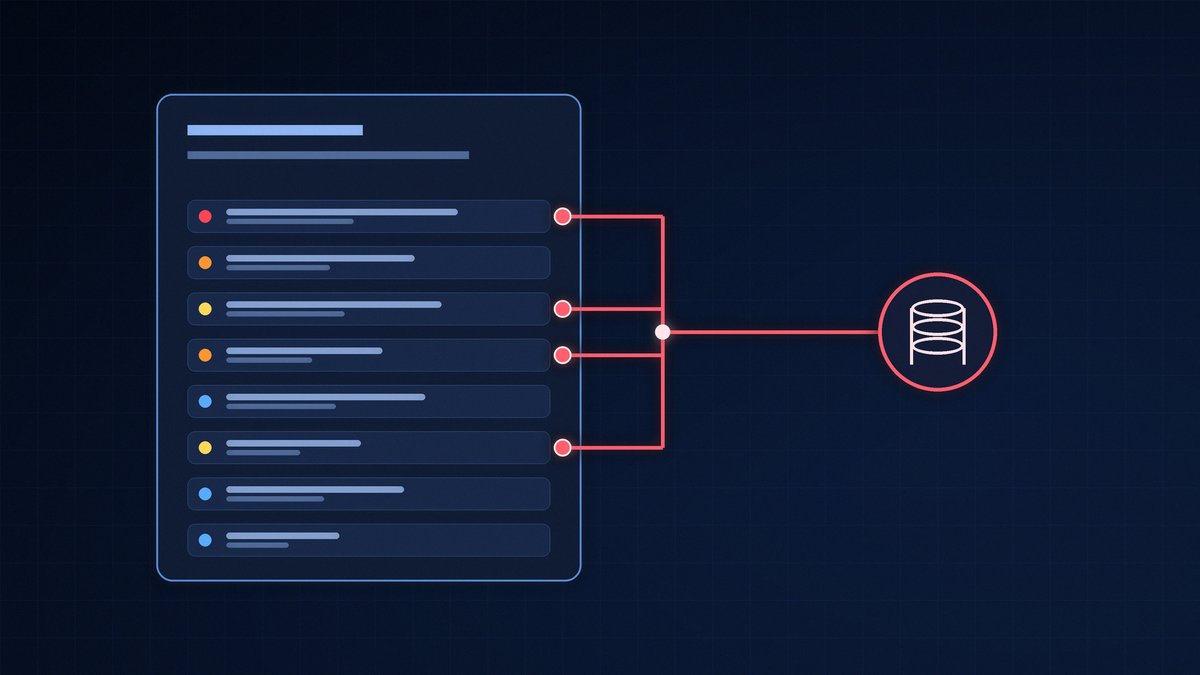
Start with the story, then the paths
The executive summary has one job: to say in plain language what an attacker could reach and how much effort it took. Read it first and ask yourself whether you could repeat it to your management in two sentences. If you cannot, have the tester do it during the debrief.
Then look for chains. A single medium finding is rarely the problem. A medium finding that hands over an account with few rights, next to a second one that turns that account into an administrator, is. A report that lists findings one by one without showing how they connect leaves the most important work to you.
What a finding needs before you accept it
A finding you can act on answers four questions: what exactly was done, from which starting position, with which rights, and what did it give access to. Screenshots, requests and responses, and steps your own developer can replay belong in the technical part. "Outdated component detected" with a version number and nothing else is what a scanner prints. It does not tell you what an attacker can do with it.
This is where human validation shows. A scanner reports what looks vulnerable. A tester tries it and writes down what happened. You read that difference in the report as evidence.
Severity is not the same as priority
Most reports score findings with CVSS or a similar scale. That score rates the weakness in general: how easy it is to exploit and what the technical impact is. It does not know that the affected server holds your customer database, or that it sits in a test network nobody uses.
So translate the score to your own environment. For every high or critical finding, ask: can it be reached from the internet or only from inside, does it need a login, and where does it lead in our setup? A medium on the system that handles payments can go before a high on an isolated machine. Write that reasoning down, because an auditor will ask why you fixed things in that order.
Critical findings should not wait for the PDF. We report them during the test, so your team can act while testing continues.
The findings you may push back on
Not every line in a report deserves a ticket. Ask questions when a finding has no proof of exploitation, when it describes a theoretical risk without a route to it, or when it repeats a best practice that does not apply to your setup. Simply ask: did you try this, and what happened?
There are honest answers that do not involve an exploit. Sometimes exploiting an issue would damage production and the tester stopped on purpose. The report should say so. What you do not have to accept is a list of forty items where nobody can tell you which three matter.
Pushing back does not make you a difficult client. A debrief gets better when the client argues.
From report to plan
Turn the report into a short plan in the first week. Give every finding an owner and a decision: fix, mitigate, or accept with a reason. Group by cause, because ten findings often come from one missing control, such as input validation or weak access rules. Fix the cause and you close all ten.
Then have the fixes checked. A patch that works in staging and never reaches production is common. A retest goes through every reported issue again and gives you a report that states what was closed. That is the document auditors, insurers and customers ask for.
Frequently Asked Questions
What should a pentest report contain?
An executive summary in plain language, the scope and the method, and for each finding a description, evidence, a severity rating and a recommended fix. A good report also shows how findings combine into an attack path, and it is explained in a debrief.
How do I prioritise pentest findings?
Start from the severity rating and correct it for your own environment: can the system be reached from the internet, does the attack need a login, and which data or rights does it give access to. Findings that form a chain towards sensitive data go first, whatever their individual score.
Can I disagree with a finding in a pentest report?
Yes. Ask what was tested, from which position and what the result was. A finding without evidence or without a realistic route to it can be rated lower or removed after discussion. Record the decision and the reason, so it holds up in an audit.
What is the difference between a pentest report and a vulnerability scan report?
A scan report lists what automated tools flag as possibly vulnerable. A pentest report shows what a tester did with those weaknesses and how far that led. In our penetration testing service every finding is validated by a person and the evidence is included.
How soon after the report should we fix the findings?
Critical findings as soon as they are reported, which can be during the test itself. For the rest, set a date per finding based on priority and plan the retest once the fixes are live. The longer a known weakness stays open, the longer you are exposed.
Who should read the pentest report?
Management reads the executive summary, the technical team reads the findings and the evidence, and whoever owns compliance keeps the report and the retest report as proof. All three belong in the debrief.
Related services and resources
If you want a report you can work with, our penetration testing service combines manual testing with a technical report, an executive summary and a debrief. The retest confirms that your fixes hold. If you need the report as evidence for an audit, have a look at audit-ready penetration testing. Still preparing the engagement? Pentest Checklist: what should you include in a Pentest engagement? helps you with the scope, and Penetration Testing vs. Vulnerability Scanning explains why scanner output is not a pentest report.